


A Trainer's Perspective — 11 Grandmasters Produced
Becoming a chess grandmaster is a major goal for any ambitious chess player. Yet few actually achieve it. The real difficulty lies not in ratings and formal norms, but in proper long-term planning, systematic preparation, and the right psychological mindset.
My name is Aleksander Goloshchapov. I am an International Grandmaster and the founder of my own chess school. As a player, I experienced every stage of a professional chess career firsthand, including the most challenging and least understood phase for many: the transition from International Master to Grandmaster.
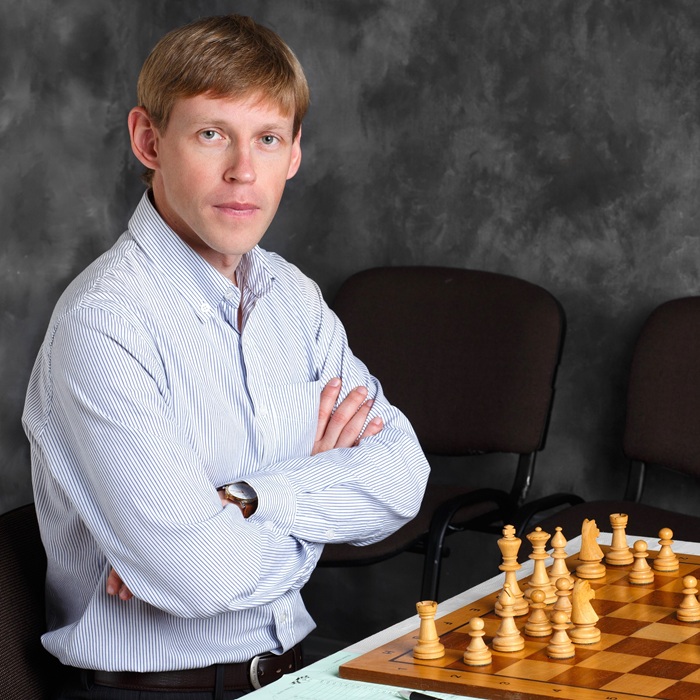
During my 20+ years of coaching, I have produced 11 grandmasters and 17 international masters. All my students who earned the GM title did so between the ages of 13 and 19, that fragile and decisive window when potential either transforms into genuine professional strength or is lost forever.
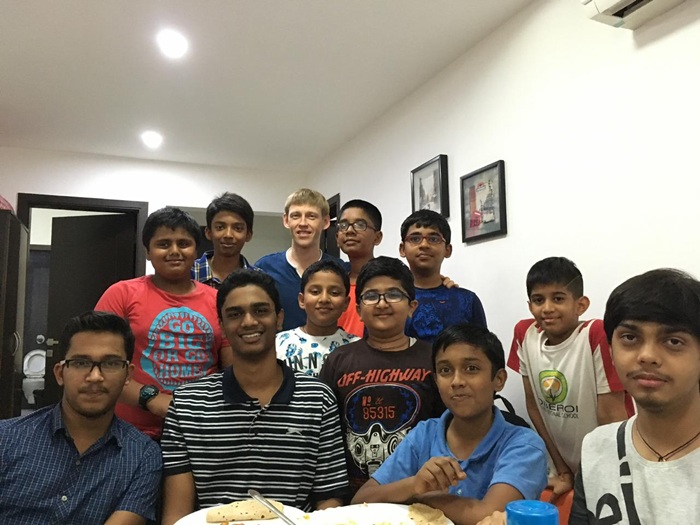
In this article, I want to describe what this journey looks like from the inside: through daily work, doubt, plateaus, mistakes, and years of systematic preparation. This text is for those already on the path who want to understand its true reality.
Love for Chess Is Non-Negotiable
The road from beginner to grandmaster is always long and demanding. Even for prodigies like Dommaraju Gukesh, R. Praggnanandhaa, and Abhimanyu Mishra, it took 7–8 years of systematic hard work. I began playing at age 9 and became a grandmaster just before turning 22. It took me thirteen years to earn the GM title, despite my coaches recognizing my natural talent early on.
Becoming a grandmaster is virtually impossible if the goal does not truly belong to the player themselves. Sometimes parents want the title more than the young player does. But no one becomes a grandmaster under compulsion. What it requires is the highest level of personal motivation.
"Chess is, first and foremost, hard work. And only then talent, victories, and titles." — Mikhail Botvinnik
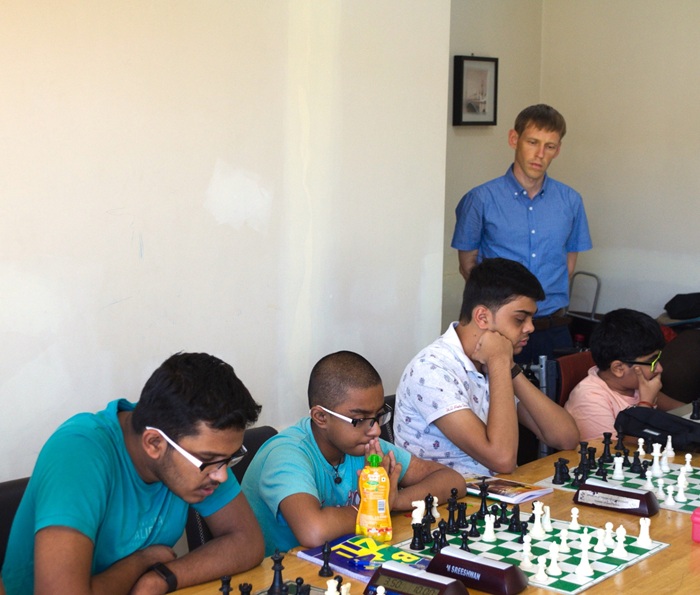
There are several practical signs of genuine love for the game.
In my experience, these signs are easy to recognize.
The first sign is the student’s energy during training. I deliberately run sessions lasting three hours or more: children who truly love chess tend to stay engaged throughout and often feel energized by the process rather than drained.
The second sign is independent work at home. The willingness to work with discipline, without a coach present, is a strong indicator of real potential.
The third sign is attitude toward defeat. If a child only loves winning, losses quickly destroy motivation. With that mindset, professional chess is simply not possible.
"Real interest in chess is shown when a person is ready to analyze their own mistakes." — Vladimir Kramnik
Long-Term Planning and Patience
Professional chess is not a sprint — it's a marathon. The best results come to those who set realistic timelines and work patiently over the long term. In practice, many parents and young players set unrealistic goals and look for shortcuts. An obsession with rating points and norms undermines the very training process they depend on.
Progress in chess is rarely linear. It always follows a wave-like pattern, with peaks and valleys. The breakthrough comes when a player has accumulated enough knowledge and experience. In 1995, at 17, I became an International Master with a rating of 2480 and naively believed I was six months away from the grandmaster title.
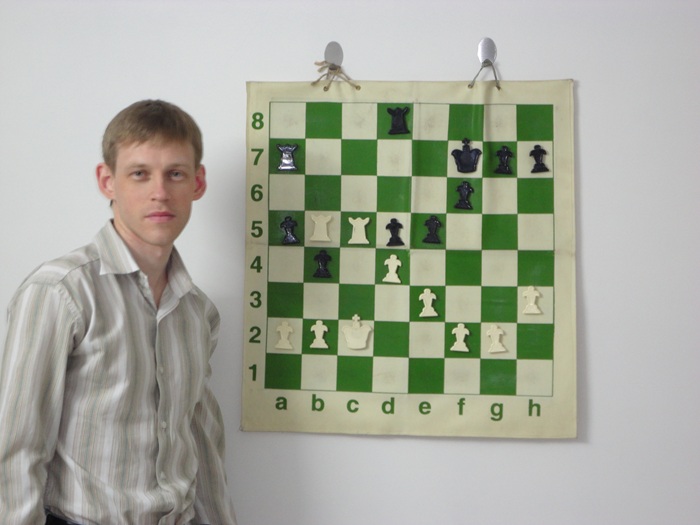
In reality, over the next three years my rating hovered between 2400 and 2445. I kept working systematically, 6 to 8 hours a day, under the guidance of Alexander Vaisman, an Honored Coach of Ukraine. The breakthrough finally came in November 1998. Over the following 10 months, I completed four grandmaster norms, gained 140 rating points, and by September 1999 had reached a rating of 2580, placing me among the top 150 players in the world as of January 1, 2000.
Inner growth first. Visible results follow.
This is where most players lose patience and ultimately lose their chance to break through.
The Dangerous "Shortcuts"
The most common mistake is playing too many tournaments while training too little. Many parents invest heavily in expensive tournaments, hoping for quick results. Without deep analysis, a player simply repeats the same mistakes reinforcing bad habits instead of correcting them.
A quick computer review of a game during a tournament is not real analysis. The engine shows the mistakes but does not explain the principles behind the decisions. At the 2000+ level, every game, especially every loss, must first be analyzed by the player alone, without an engine, and only then reviewed with a coach. This is how independent thinking is truly developed. It is often said that the current World Champion, Dommaraju Gukesh, did not use computer analysis at all until he reached the grandmaster level, focusing instead on developing independent thinking.
"Don't chase results — be quick to learn."
In Closing
When I came to my coach, Alexander Vaisman, at 17, one of the first things he said to me was: “If you can quit chess, quit right now.” It was not a provocation, it was a test of commitment.
If a talented player truly loves chess and cannot imagine life without it, then the next step is clear: find the right mentor and trust the process. Training must be systematic. Game analysis must be deep and unhurried.
Only through consistent independent work, combined with honest, demanding dialogue with a coach does real chess understanding begin to form. This is where strong foundations are built: not in shortcuts, but in discipline, patience, and long-term thinking.
A strong environment, parental support, and the right guidance are what ultimately allow a player to fulfill their potential and reach the grandmaster level.
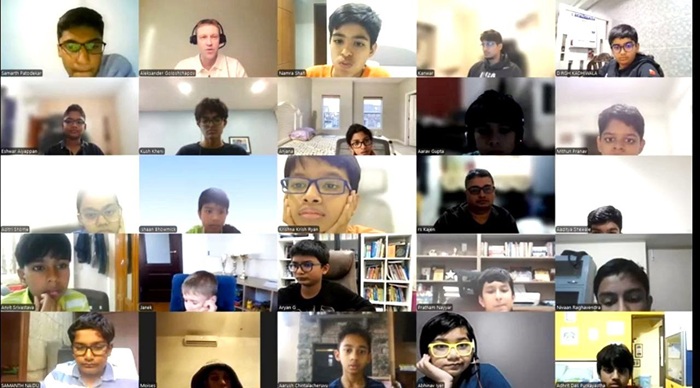
This is exactly the kind of environment we strive to create in our school, a place where players don’t just receive information, but develop real skills, deep understanding, discipline, and a clear long-term direction.
For those who are truly committed to this path, finding the right system and mentor is often the decisive factor in whether a player reaches the highest level or not.
As a coach, my main priority is to help my students uncover their talent and fulfill their chess and personal potential. I do my best to develop my students’ responsibility and discipline, as well as determination and the drive to win. I strongly believe that these personal traits are what create champions and successful people!
— Aleksander Goloshchapov
back to blog
Add new comment